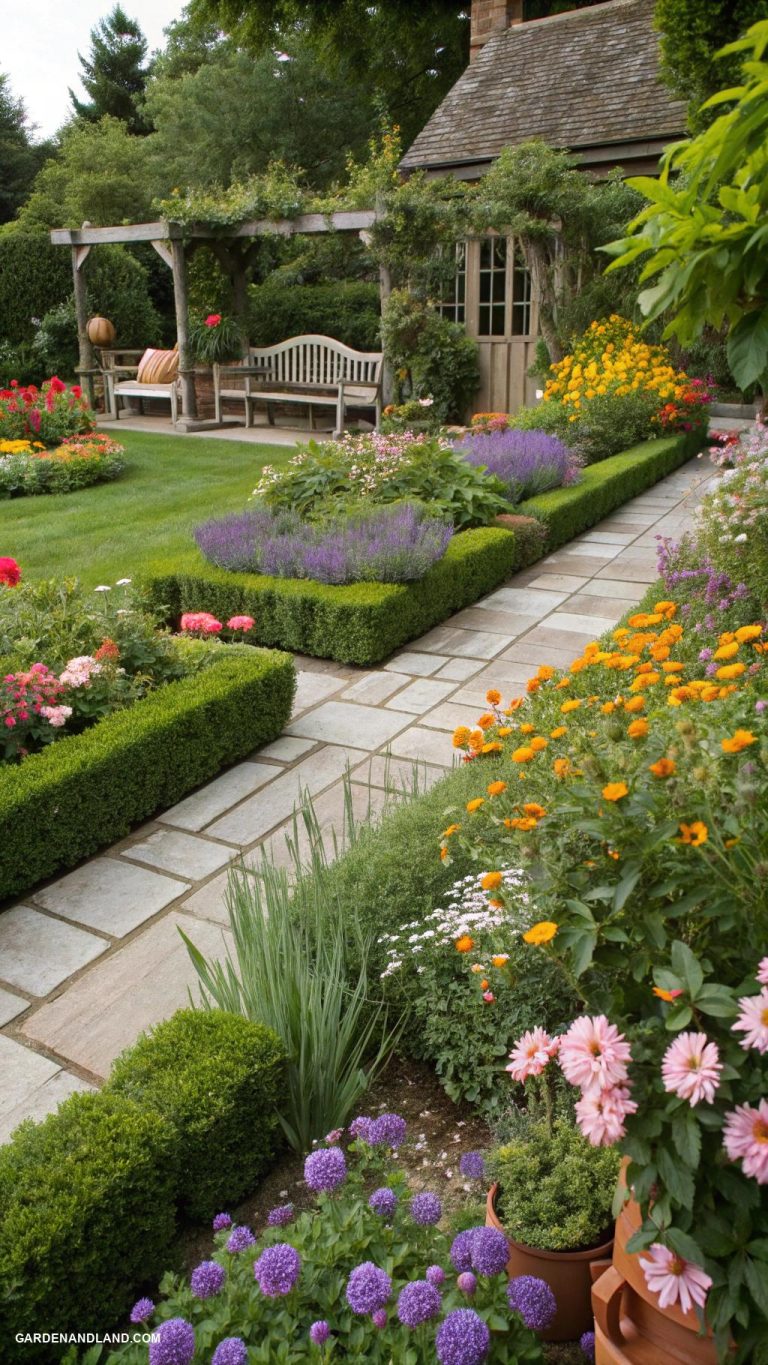
10 Delightful Small Organic Garden Ideas
We may earn a commission through all links on this website. As an Amazon Associate, we earn from qualifying purchases.
As the world becomes increasingly urbanized, there’s a growing desire to reconnect with nature and cultivate a sense of community and self-sufficiency. One way to do this is by creating a small organic garden in your own backyard, where you can grow your own fruits, vegetables, and herbs using natural and sustainable methods.
Not only does this provide a sense of accomplishment and pride of ownership, but it also allows you to enjoy the many benefits of organic gardening, including fresher, healthier produce and a reduced environmental impact.

Vertical Herb Garden Using Wooden Pallets.
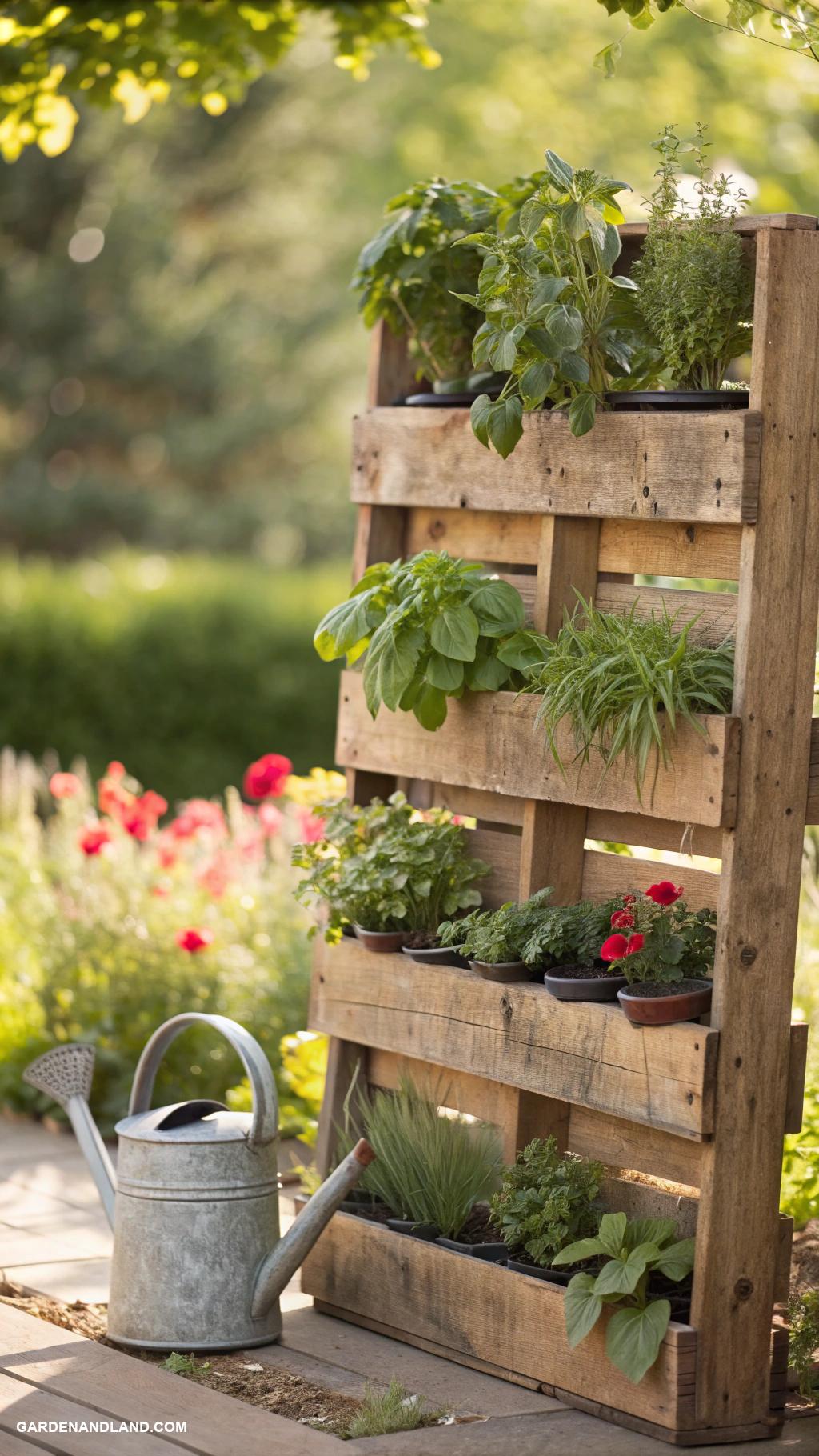
A vertical herb garden made from wooden pallets is an innovative and space-saving solution for organic gardening enthusiasts. By repurposing pallets, you can create an attractive and functional display for your favorite herbs, allowing them to thrive in a sunny spot while keeping your garden organized. This DIY project not only encourages sustainable practices but also adds charm to your outdoor space with its rustic appeal. Simply fill the pallet slots with potting soil, plant your herbs, and hang it on a wall or fence for easy access and a beautiful focal point in your garden.
Succulent Wall Art for Small Spaces.
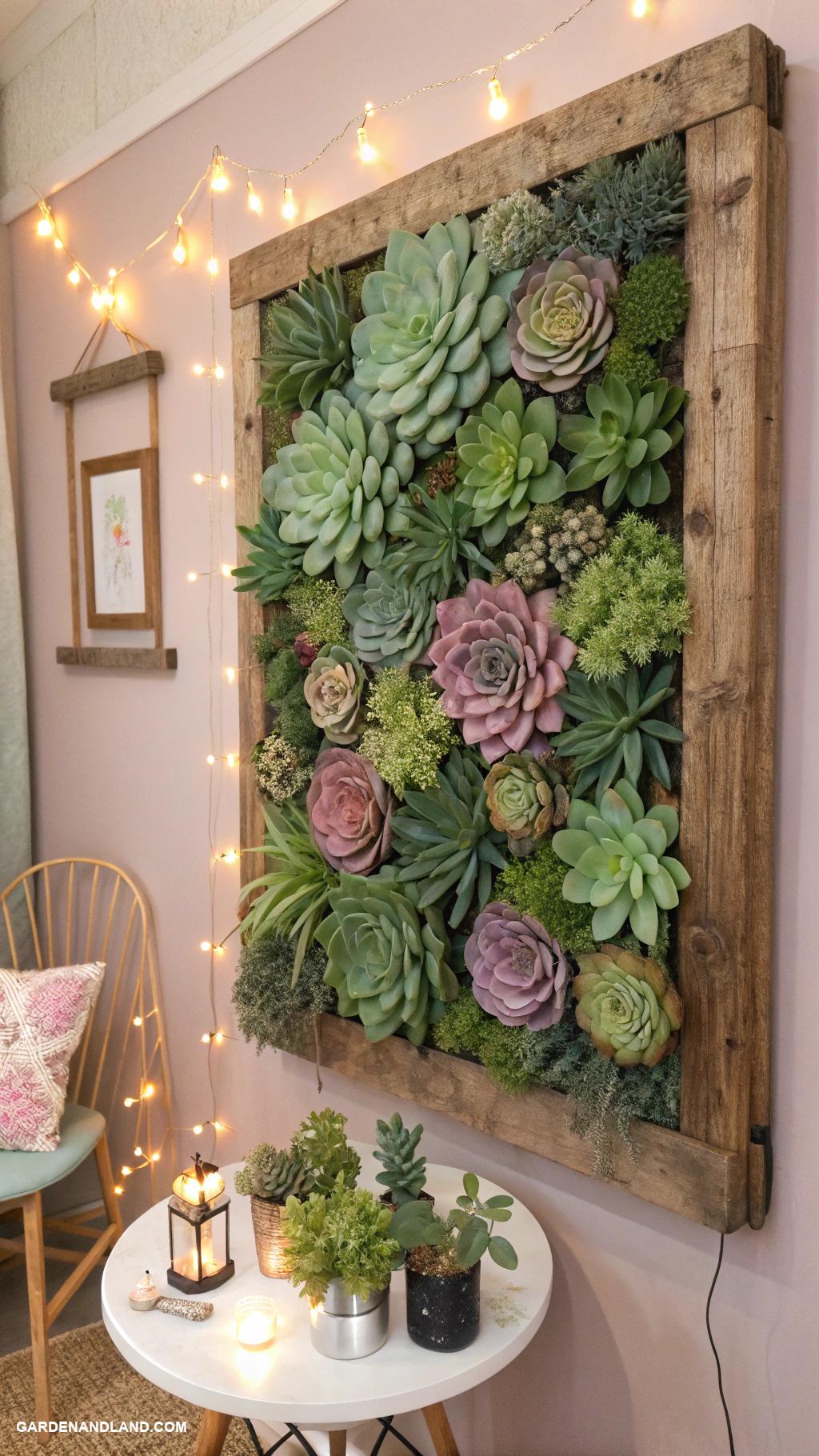
Succulent wall art is an innovative and vibrant way to bring life to small spaces in your garden or home. Utilizing vertical panels or frames, these living artworks allow you to effortlessly incorporate greenery into areas with limited floor space. By choosing various shapes, sizes, and colors of succulents, you can create stunning visual displays that not only beautify but also enhance air quality. This unique approach to gardening adds a touch of nature while maximizing available space, making it perfect for urban dwellers and small garden enthusiasts.
Rainbow Vegetable Garden for Color Variety.
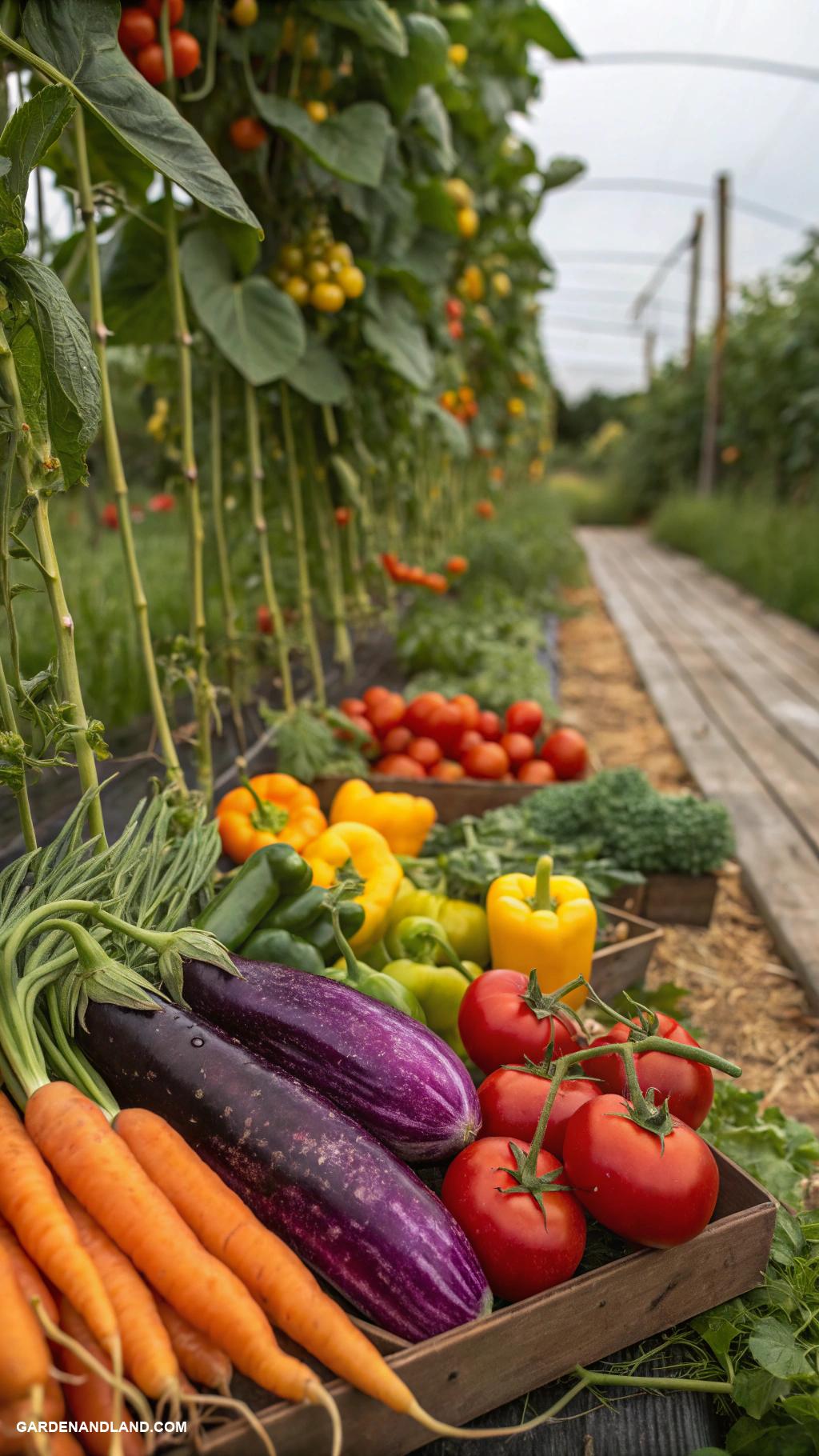
A rainbow vegetable garden is a vibrant and visually stunning way to grow your own organic produce. By incorporating a variety of colorful vegetables such as red tomatoes, orange carrots, yellow peppers, green zucchini, purple eggplant, and white cauliflower, you create an eye-catching landscape that is both beautiful and nutritious. This diverse palette not only enhances the aesthetic appeal of your garden but also ensures a wide range of vitamins and minerals in your diet. Embrace this colorful approach to gardening and enjoy the bountiful harvest that comes with it.
Container Gardening with Recycled Materials.

Container gardening with recycled materials is an eco-friendly way to cultivate plants while minimizing waste. Items like old buckets, wooden pallets, and even tin cans can be repurposed into unique planters, adding character to your garden. This sustainable approach not only reduces landfill contributions but also encourages creativity, allowing you to customize your garden space with personal touches. With proper drainage and soil, these recycled containers can support a thriving assortment of herbs, vegetables, and flowers.
DIY Trellis for Climbing Plants.
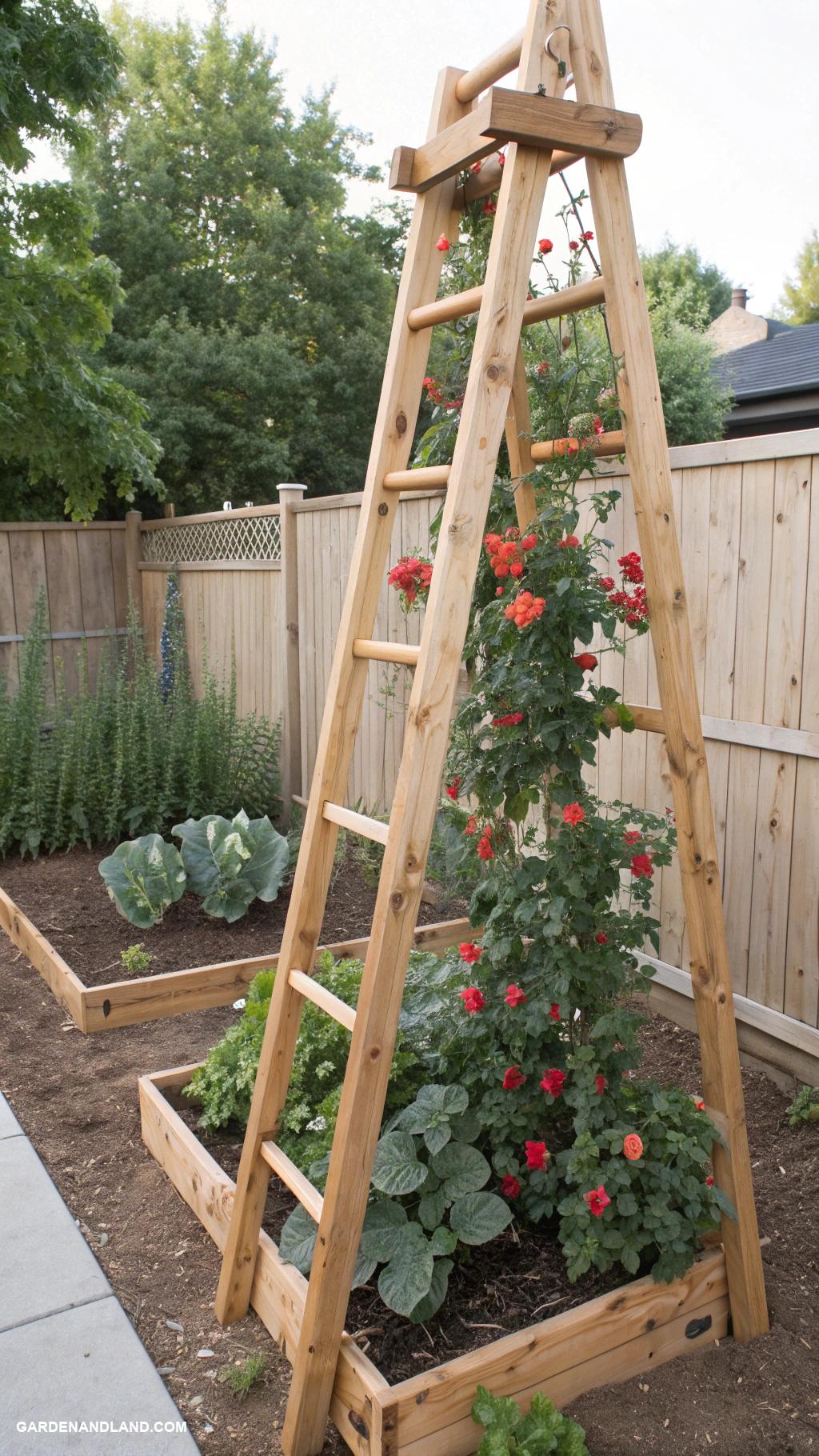
A DIY trellis is a simple and effective way to support climbing plants in your small organic garden. You can create one using readily available materials like bamboo stakes, wooden pallets, or even repurposed metal fencing. By providing vertical growth space, a trellis not only maximizes your garden’s productivity but also enhances its aesthetic appeal. Choose a design that complements your garden’s style, ensuring your climbing plants, such as peas or cucumbers, thrive while adding beauty to your landscape.
Miniature Fairy Garden in a Pot.
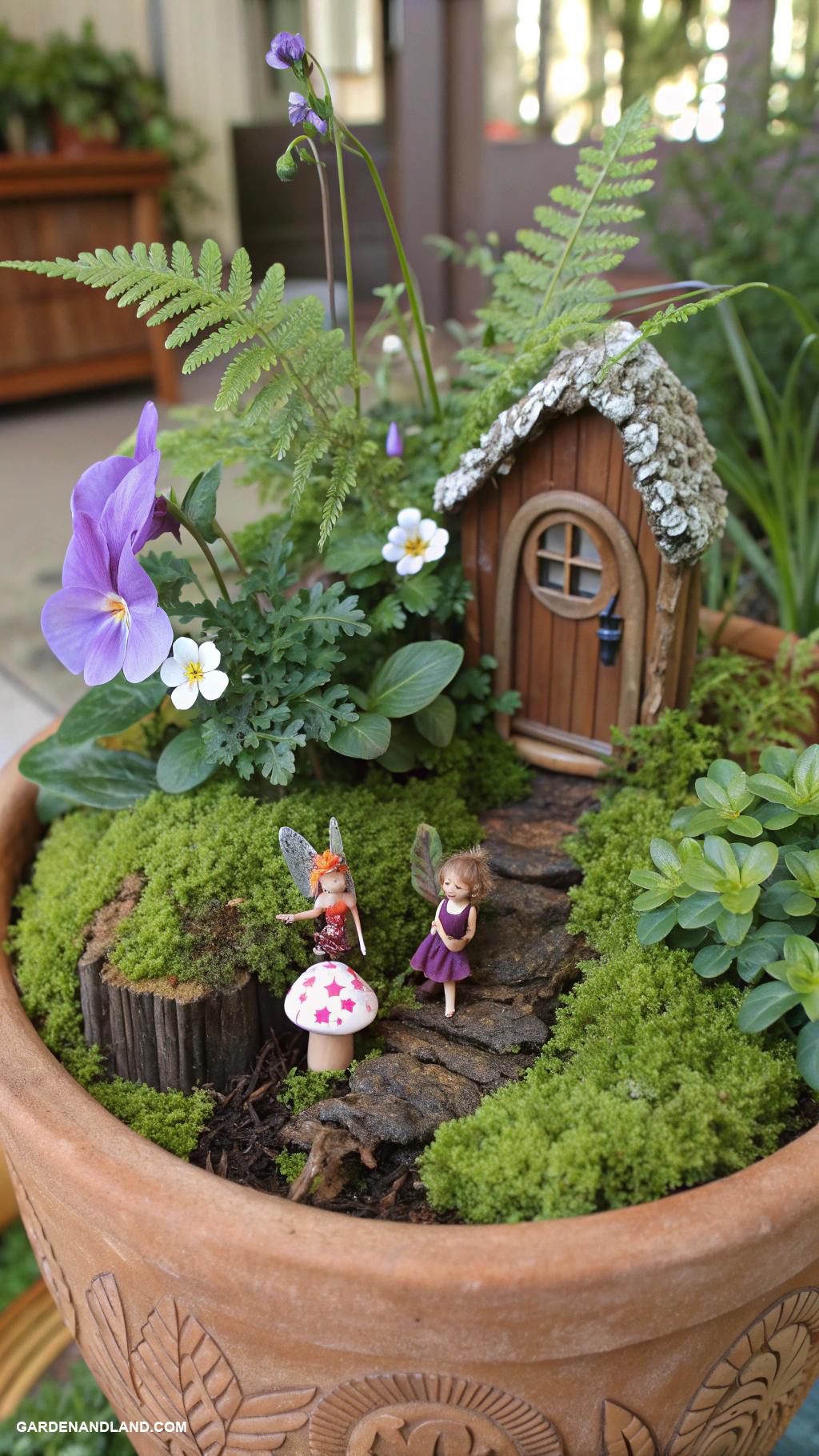
A miniature fairy garden in a pot is a whimsical and enchanting addition to any small organic garden. This tiny landscape can be created using a variety of succulents, small flowers, and charming decorative elements like fairy figurines, tiny houses, and natural stones. Perfect for patios or windowsills, these pocket-sized gardens offer a delightful way to connect with nature while encouraging creativity and imagination. Additionally, they require minimal maintenance, making them an ideal choice for gardeners with limited space.
Edible Flowers for Aesthetic Beauty.

Edible flowers not only add a splash of color to your organic garden but also enhance the visual appeal of your landscaping. With their vibrant hues and unique shapes, flowers like nasturtiums, pansies, and marigolds can transform any garden into a visual feast. Incorporating these blooms can create stunning focal points in your garden beds or containers, while also providing delightful flavors to salads and dishes. Choose a variety of edible flowers for a truly enchanting and functional garden space.
Rainwater Collection System for Irrigation.
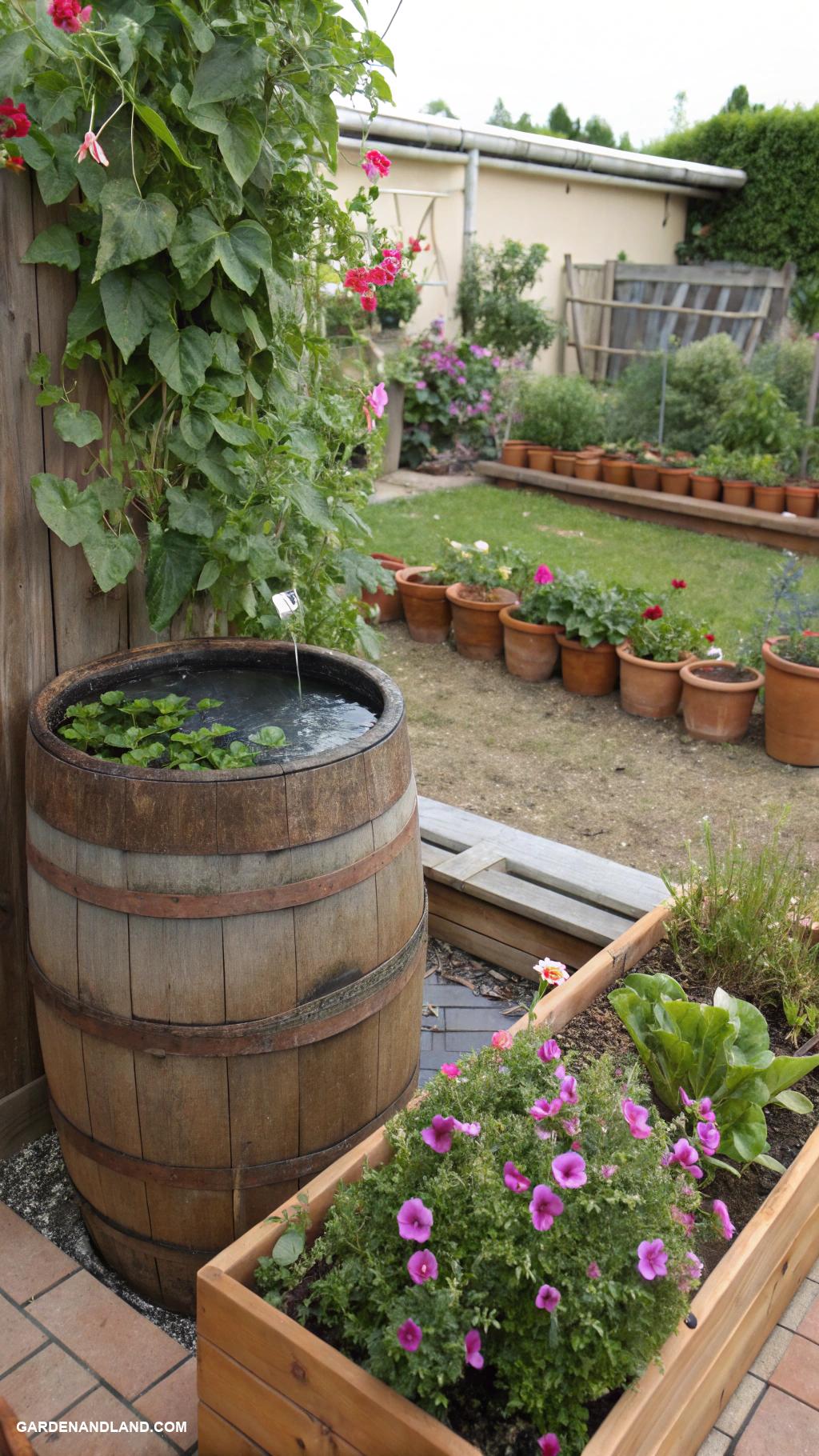
A rainwater collection system is an eco-friendly solution for irrigation in small organic gardens. By installing a rain barrel or cistern to collect runoff from rooftops, gardeners can harness natural rainfall to nourish their plants. This sustainable practice not only reduces water bills but also minimizes reliance on municipal water supplies, promoting healthier garden ecosystems. Implementing a filtration system ensures that the collected rainwater is clean and safe for watering vegetables and flowers alike.
Companion Planting for Pest Control.
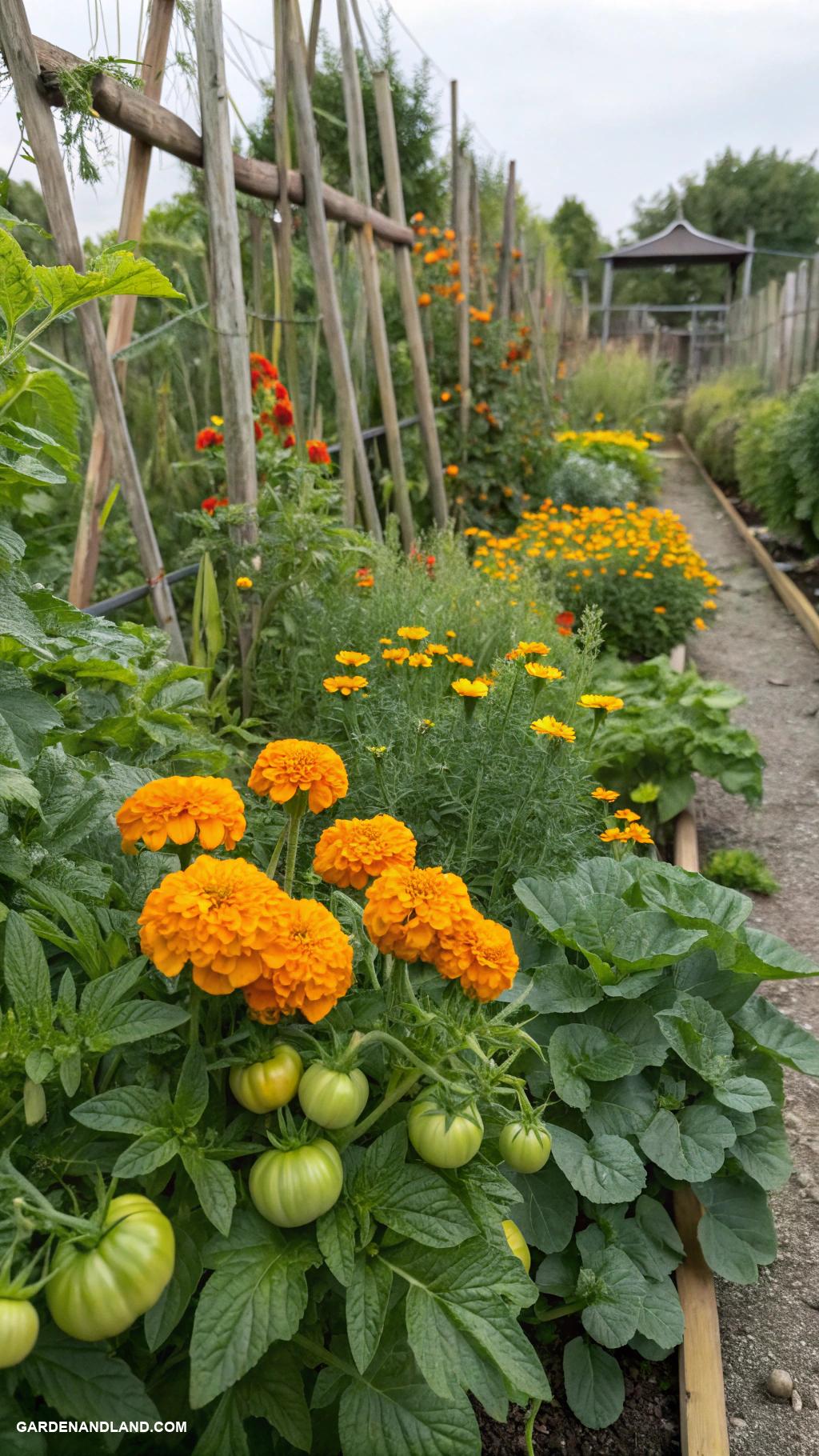
Companion planting is a natural and effective method for pest control in small organic gardens. By strategically placing certain plants together, gardeners can create a symbiotic environment where beneficial insects thrive and harmful pests are deterred. For example, marigolds can repel nematodes and other pests when planted alongside vegetables, while herbs like basil and mint can ward off aphids. This approach not only enhances biodiversity but also promotes healthier plant growth without the need for chemical pesticides.
Seasonal Planting Calendar for Year-Round Gardening.

A seasonal planting calendar is essential for optimizing your garden throughout the year, ensuring that you are planting crops at the right time for maximum yield. In early spring, focus on cool-season crops like lettuce and peas, while summer is ideal for warm-season vegetables such as tomatoes and cucumbers. As fall approaches, consider planting hearty varieties like kale and broccoli, which thrive in cooler temperatures. Finally, during winter months, utilize indoor gardening or cold frames to extend your growing season and enjoy fresh produce year-round.