15 Water-Wise Landscaping Ideas to Conserve Water
We may earn a commission through all links on this website. As an Amazon Associate, we earn from qualifying purchases.
As the weather continues to fluctuate and droughts become more frequent, it’s more important than ever to prioritize water conservation in our outdoor spaces. One of the most effective ways to do this is by incorporating water-wise landscaping ideas into your garden design.
By selecting plants that are adapted to thrive in low-water conditions, installing efficient irrigation systems, and incorporating hardscaping elements, you can create a beautiful and functional outdoor oasis that not only looks great but also helps to reduce your water consumption.
In this article, we’ll explore some of the most effective water-wise landscaping ideas to help you create a stunning and sustainable garden that’s as beautiful as it is eco-friendly.
Drought-Resistant Native Plants
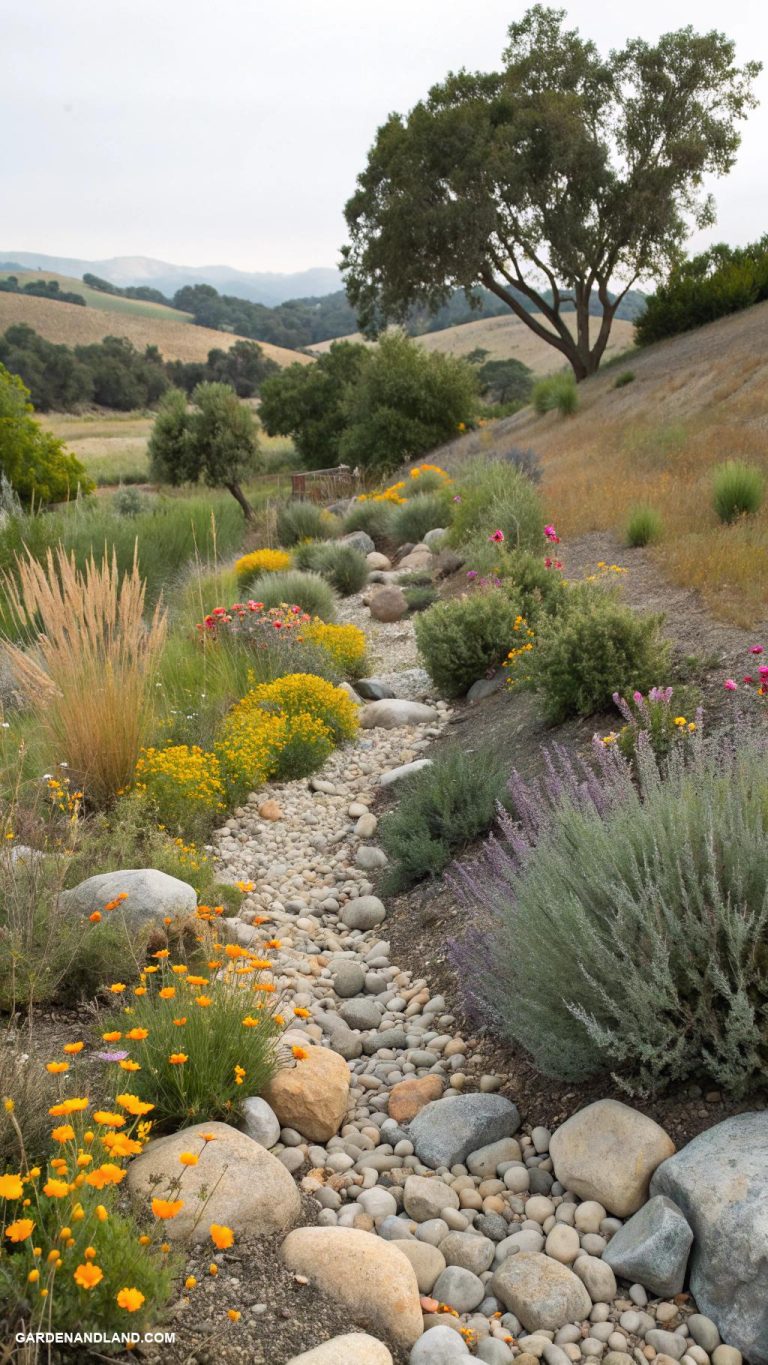
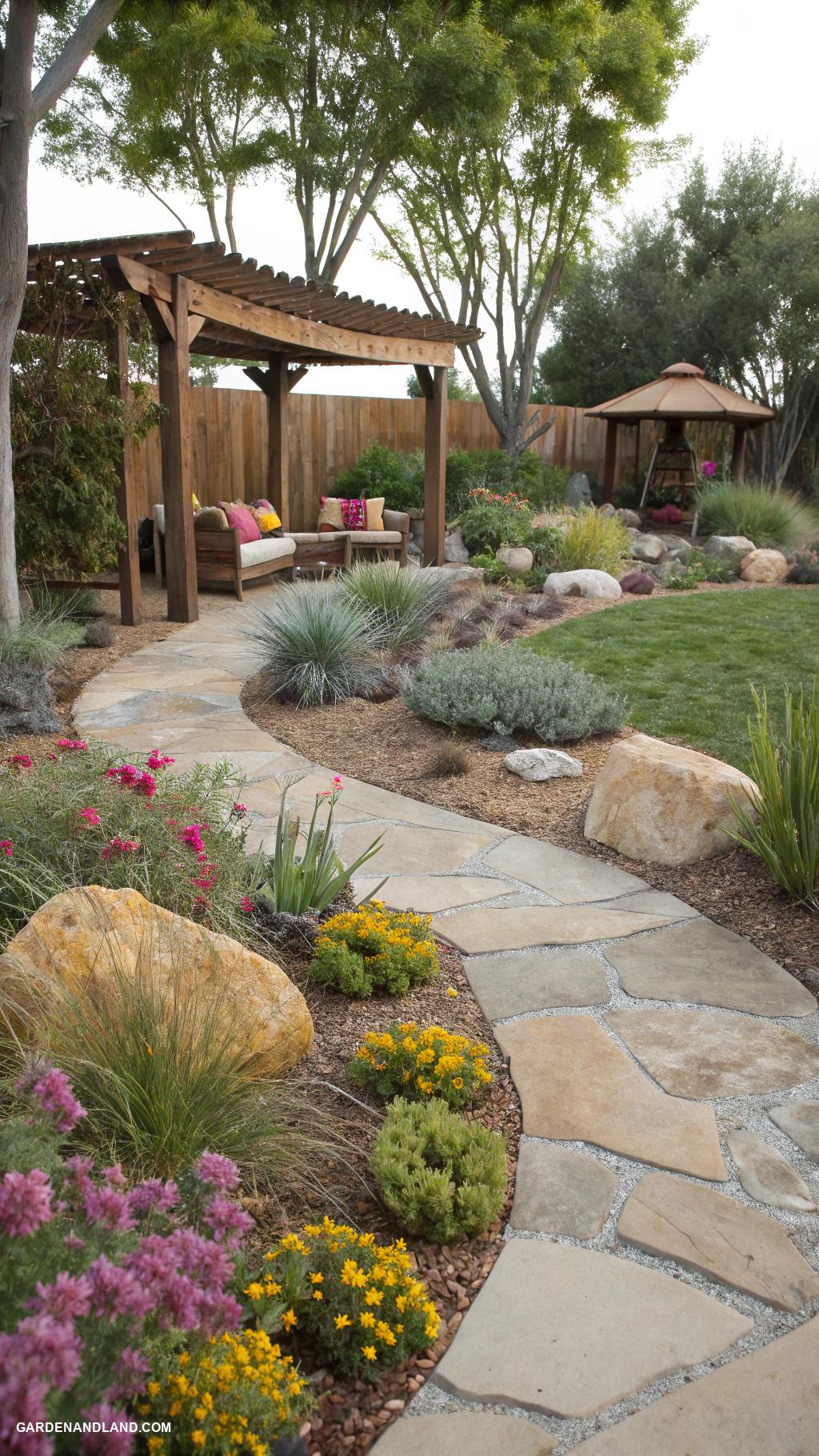
Utilize native plants that are well-adapted to your climate and soil conditions. These plants require minimal watering once established and provide habitat for local wildlife. Examples include succulents, wildflowers, and ornamental grasses that thrive on their own.

Rain Gardens
Create a rain garden to manage stormwater runoff while providing a beautiful focal point in your landscape. These gardens are typically planted in a depression to collect rainwater, allowing it to permeate into the soil. Choose moisture-loving plants that can tolerate both wet and dry conditions for optimal results.

Rain Gardens: Sustainable Landscaping for a Beautiful Yard and a Healthy World
(as of February 5, 2026 00:30 GMT -05:00 - More infoProduct prices and availability are accurate as of the date/time indicated and are subject to change. Any price and availability information displayed on [relevant Amazon Site(s), as applicable] at the time of purchase will apply to the purchase of this product.)Drip Irrigation Systems
Install a drip irrigation system that delivers water directly to the roots of your plants, minimizing evaporation and runoff. This method is more efficient than traditional sprinklers and can be easily automated with a timer. Group plants with similar water needs to maximize system efficacy.

Permeable Pavers
Incorporate permeable pavers into your hardscaping to allow rainwater to seep through and replenish groundwater. These pavers come in various styles and materials, from concrete to natural stone, while providing a stable surface for driveways and walkways. They reduce runoff and create aesthetically pleasing pathways.

Mulching
Apply a thick layer of organic mulch around plants to retain soil moisture and suppress weeds. Mulch not only conserves water but also improves soil quality as it breaks down over time. Use materials like wood chips, shredded bark, or straw to enhance the visual appeal of your garden beds.

Back to The Roots 25.7qt (1 Cubic ft) Organic Premium Mulch
(as of February 4, 2026 21:40 GMT -05:00 - More infoProduct prices and availability are accurate as of the date/time indicated and are subject to change. Any price and availability information displayed on [relevant Amazon Site(s), as applicable] at the time of purchase will apply to the purchase of this product.)Xeriscaping Techniques
Implement xeriscaping design principles, which focus on water-efficient landscaping by using drought-tolerant plants and minimizing turf areas. Analyze your yard’s microclimates and utilize xeriscaping to create zones with different water needs and plant accordingly. This technique not only conserves water but also reduces maintenance.
Green Roofs
Consider installing a green roof on your home or garden shed to absorb rainwater and insulate your building. Green roofs filter pollutants and provide additional green space in urban areas. Choose a variety of sedums and other low-water plants for optimal performance and aesthetics.


Soil Amendments for Water Retention
Enhance your soil’s ability to retain moisture by adding organic matter like compost or coconut coir. These amendments improve soil structure and enhance the capacity for holding water while providing essential nutrients to plants. Testing your soil can help determine the best amendments for your specific garden.

Outdoor Showers
Install an outdoor shower in your garden to use graywater from washing for irrigation purposes. This can greatly reduce overall water usage while providing a unique landscape feature. Make sure to consult local regulations regarding graywater reuse to ensure compliance.
![Spopal Portable Shower for Camping, [Long-Lasting] 6000mAh Rechargeable Camping Shower with Intelligent LED Display, 4 Spray Modes, IPX7 Waterproof Outdoor Camp Pump for Hiking, Travel, Car, Pet](https://m.media-amazon.com/images/I/41FmXmwOSBL._SL500_.jpg)
Rain Barrels
Position rain barrels beneath downspouts to collect rainwater from your roof, which can be repurposed for garden irrigation. This method reduces reliance on municipal water supplies and harnesses natural resources. Ensure that the barrels are fitted with a screen to keep out debris and mosquitoes.

Berm Design
Incorporate berms into your landscape to create elevation that helps to direct rainfall to desired areas in your garden. These raised beds can enhance aesthetics while improving drainage and reducing erosion. Plant drought-resistant flora along the slopes to highlight their contours.

Design And Construction Of Berm Breakwaters (Advanced Series On Ocean Engineering Book 40)
(as of February 5, 2026 01:02 GMT -05:00 - More infoProduct prices and availability are accurate as of the date/time indicated and are subject to change. Any price and availability information displayed on [relevant Amazon Site(s), as applicable] at the time of purchase will apply to the purchase of this product.)Cacti and Succulent Displays
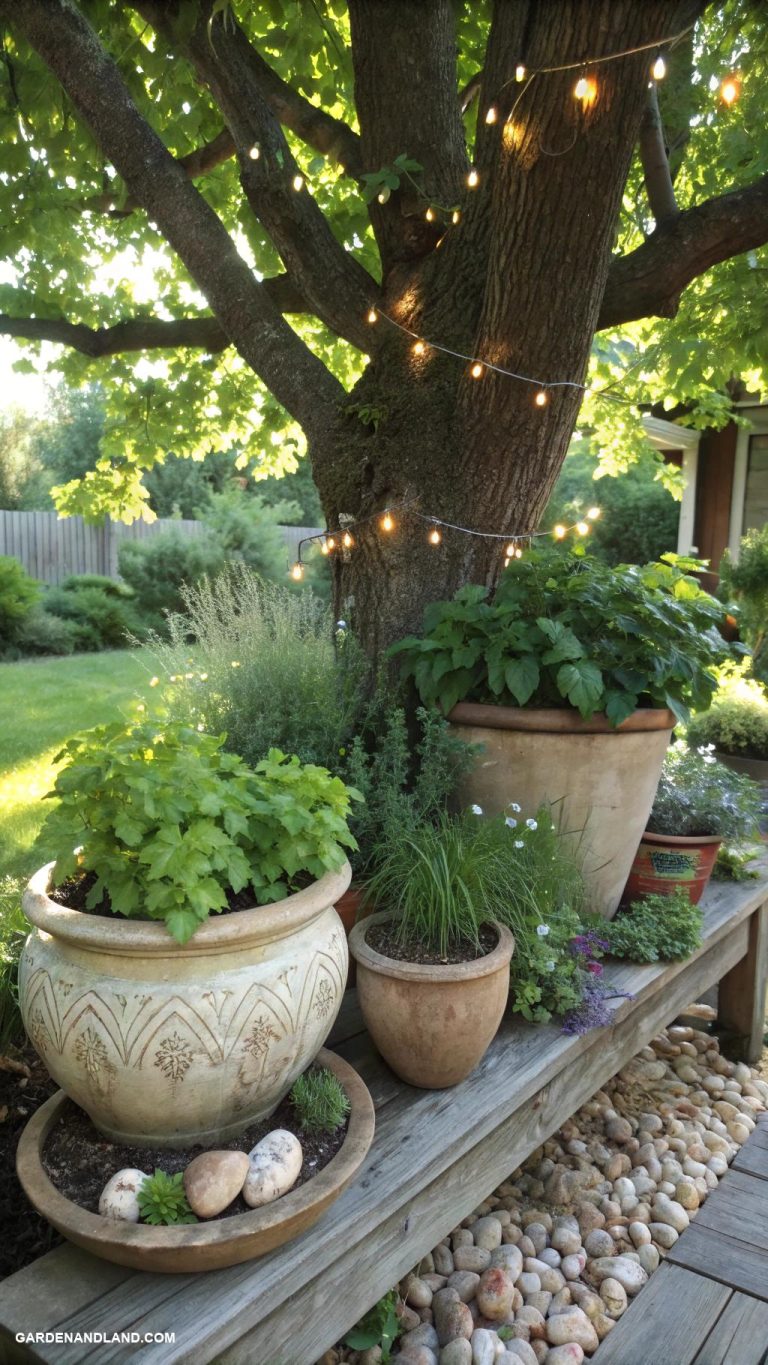
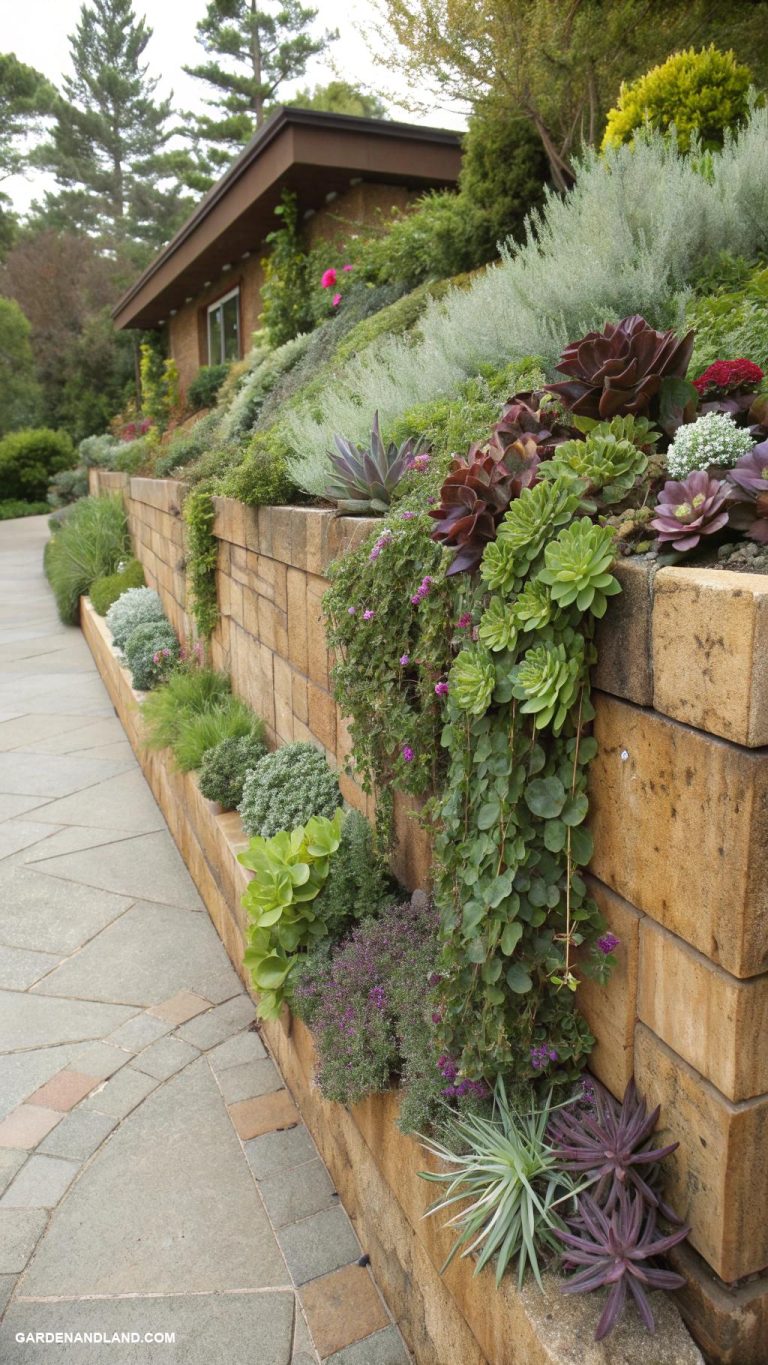
Design stunning arrangements using cacti and succulents, which require little water and thrive in hot conditions. These low-maintenance plants come in various shapes and sizes, making them versatile for various garden accents. Position them in decorative containers or directly in the ground for an eye-catching display.

Planting Wafer-Soil Systems
Experiment with wafer-soil irrigation systems that distribute water across large areas through thin layers of porous material. This innovative technique allows for even moisture distribution while minimizing water use. Understanding the specific needs of your plants will determine the effectiveness of this method.

Windbreaks and Shade Trees
Plant windbreaks with strategically placed trees to reduce water loss from evaporation. Shade trees can lower surrounding temperatures, creating a more temperate microclimate. Choose deciduous trees that provide summer shade while allowing sunlight in during winter months.

Crop Rotation in Vegetable Gardens
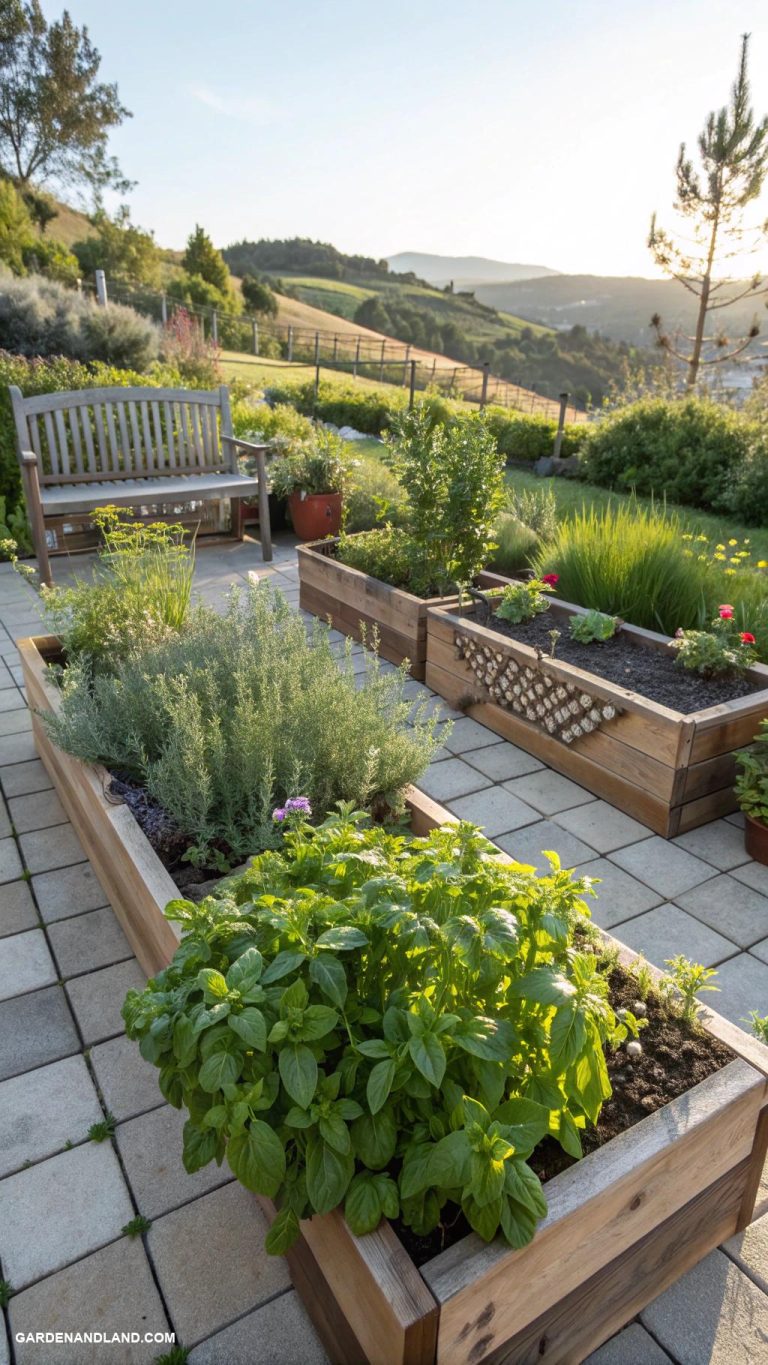
Practice crop rotation in your vegetable garden to enhance soil fertility and reduce pests, which can also mean healthier plants that require less water. By rotating your crops each year, you allow your soil to rest and improve its moisture retention capabilities. This sustainable method ensures thriving garden ecosystems.